

bible characters who thought that they werent enough
by Al Smythe
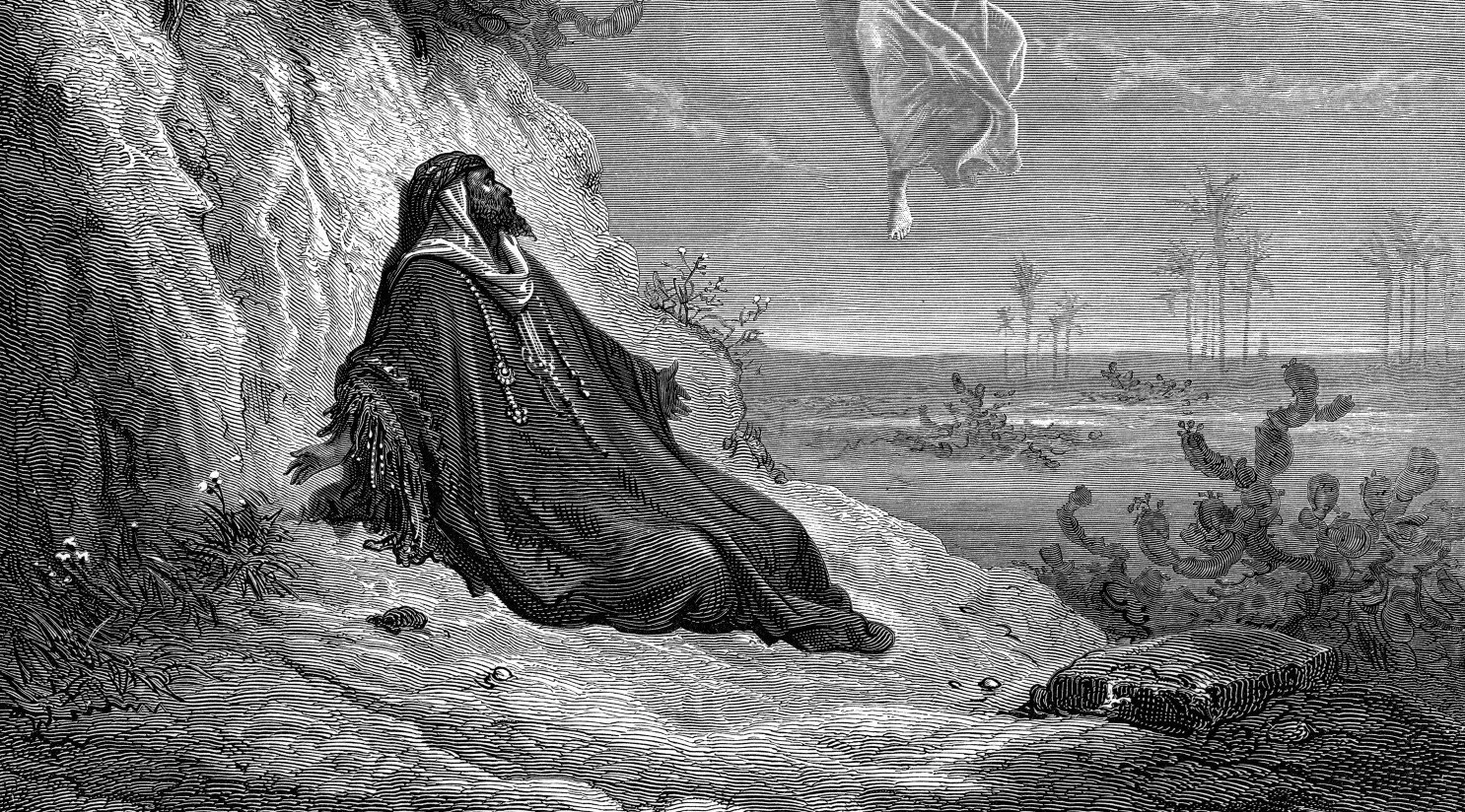
Picture of Elijah in the wilderness
Throughout Scripture, many of the people God chose to use most powerfully were the very ones who felt the least qualified. Their stories reveal a consistent truth: God’s calling is not based on human confidence, but on His sufficiency. Here are several Bible figures who struggled with feeling like they weren’t enough—and how God worked through them anyway.
Moses: “I am not eloquent”
When God called Moses to lead the Israelites out of Egypt, his response was hesitation, not confidence. In Exodus 4:10, Moses tells God, “I am slow of speech and tongue.” He believed his lack of eloquence disqualified him from such a monumental task.
Yet God didn’t withdraw the calling. Instead, He reassured Moses that He would be with him and even provided Aaron as a helper. Moses’ story shows that God does not require perfection—He supplies what is lacking.
Gideon: “I am the least”
When Gideon was called to save Israel from the Midianites, his response was rooted in insecurity. In Judges 6:15, he says, “My clan is the weakest… and I am the least in my family.”
Despite this, God addressed Gideon as a “mighty warrior” before he ever acted like one. God saw beyond Gideon’s self-doubt and called out the identity He had already placed within him. Gideon’s victory came not from his strength, but from his obedience.
Elijah: “i am no better than my ancestors”
After Elijah’s victory over the priests of Ba’al, he was driven out of Israel by the evil queen Jezebel. While out there in the wilderness, Elijah begged God to take his life, believing that he was no better than his rebellious ancestors. In 1 Kings 19:4, he pleads with God saying, “I have had enough, Lord. Let me die. I am no better than my ancestors.”
Instead of responding with judgment, God supplied Elijah with food, water, and gave him strength for the 40 day journey to the city of Horeb. Elijah’s story shows us that God meets us where we are, even in our brokenness and lack of hope.
Jeremiah: “I am too young”
The prophet Jeremiah also doubted his adequacy. When God appointed him, Jeremiah protested in Jeremiah 1:6, saying, “I do not know how to speak; I am too young.”
God’s response was direct: “Do not say, ‘I am too young.’” He reminded Jeremiah that his authority came from God, not from age or experience. Jeremiah’s life demonstrates that God’s calling transcends human limitations like age, status, or skill.
Peter: “Go away from me, Lord”
In the New Testament, Peter initially responded to Jesus with a sense of unworthiness. In Luke 5:8, after witnessing a miracle, he says, “Go away from me, Lord; I am a sinful man!”
Peter was impulsive, flawed, and at times fearful—famously denying Jesus three times. Yet Jesus still chose him to be a foundational leader in the early church. Peter’s transformation reminds us that failure does not disqualify us from God’s purposes.
Paul: “I am the least of the apostles”
Even Paul the Apostle, who wrote much of the New Testament, carried a deep awareness of his past. In 1 Corinthians 15:9, he calls himself “the least of the apostles” because he had persecuted Christians.
Rather than disqualifying him, Paul’s past became a testimony to God’s grace. He later writes that God’s power is “made perfect in weakness” (2 Corinthians 12:9). His life is a powerful example of redemption and purpose.
A Common Thread
Each of these individuals shared a similar internal struggle: they believed they were not enough. Whether it was lack of skill, status, age, or a troubled past, their focus was on their own limitations.
God’s response, however, was always the same:
“I will be with you.”
“I have chosen you.”
“My strength is enough.”
Their stories point to a deeper truth: God does not call the qualified—He qualifies the called.
Final Reflection
Feeling inadequate is not a barrier to being used by God; in many ways, it’s the starting point. When people recognize their limitations, they become more open to relying on God’s strength instead of their own.
These biblical accounts remind us that doubt does not disqualify us. Instead, it can become the very place where faith begins—and where God’s power is most clearly seen.
