

finding jesus in north korea
by Jason Williams
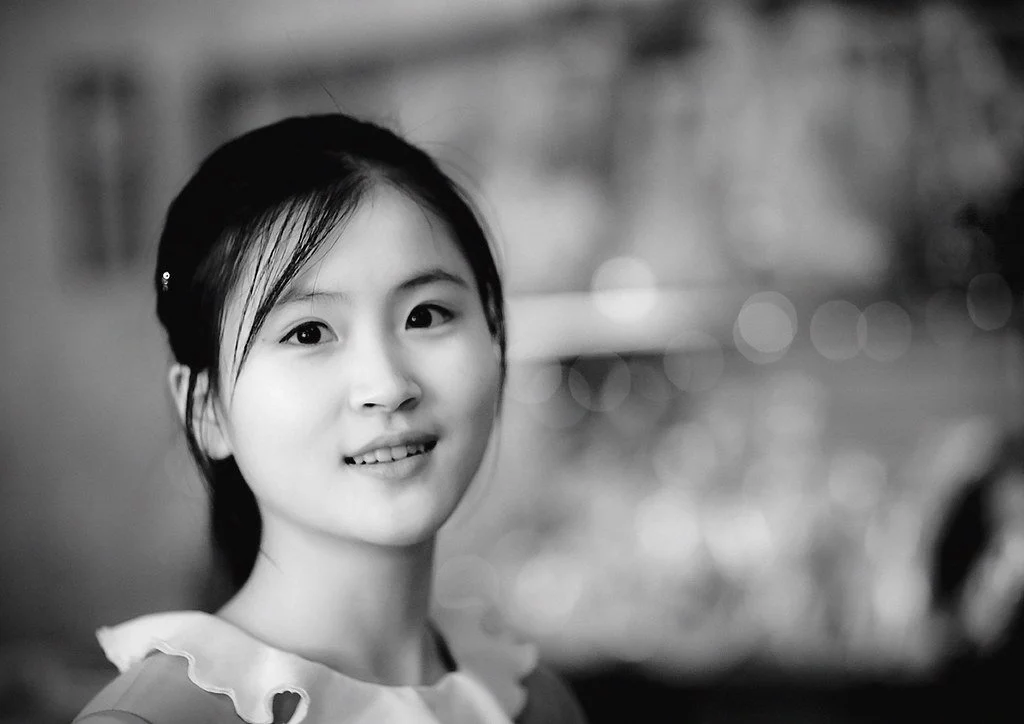
Picture of a North Korean woman
In one of the most tightly controlled nations in the world, where religious expression is heavily restricted and often dangerous, stories of personal faith rarely emerge. Yet even in the shadows of secrecy, belief has a way of finding its way into the human heart. For one woman in North Korea, her journey to faith began not in a church, but in quiet curiosity.
Raised in a society where loyalty to the state is paramount, Ri Mi-gyong grew up with little to no exposure to religion. Spiritual belief was not just discouraged—it was portrayed as a threat. From an early age, she was taught to place her trust in the system around her, to avoid outside influence, and to report anything that seemed suspicious. Faith, as understood in much of the world, was something distant and forbidden.
Her first encounter with Christianity came unexpectedly. Through whispered conversations and the quiet trust of a close friend, she was introduced to the idea of Jesus. At first, it felt foreign—almost dangerous even to consider. But something about the message stayed with her. The idea of a God who knew her personally, who offered love and forgiveness, was unlike anything she had ever been taught.
Curiosity slowly gave way to a deeper search. Mi-gyong was eventually given access to a small portion of the Bible—carefully hidden and shared only in the safest of moments. Reading it required caution and courage. Each page was turned with the awareness that discovery could carry severe consequences. Yet despite the risk, she continued. The words spoke to something within her that she could not ignore.
What struck her most was the person of Jesus—His compassion, His willingness to suffer, and His message of hope. In a place where fear often shapes daily life, the idea of unconditional love was both powerful and disorienting. She began to reflect in silence, holding onto what she had read, replaying it in her mind when she was alone.
Her decision to follow Jesus came quietly, without witness or ceremony. It was a choice made in the privacy of her own heart—a step of faith taken in one of the most unlikely places. There were no public gatherings, no open expressions of belief. Instead, her faith became something deeply personal, lived out in small, intentional ways.
The challenges that followed were constant. She had to remain cautious, careful not to reveal too much, even to those closest to her. Trust was fragile, and the risk of exposure was always present. Yet within that tension, she found a sense of peace she had never known before—a quiet strength that sustained her.
Now a North Korean defect, her story reflects a broader reality that often goes unseen: even in places where faith is restricted, it is not extinguished. It grows quietly, carried in whispers, in hidden pages, and in the hearts of those willing to believe. Ri Mi-gyong’s journey is not one of public transformation, but of quiet resilience. In a land defined by control, her faith represents something deeply personal and profoundly free—a reminder that even in the most unlikely circumstances, hope can take root.
