

three turkish christians killed in coordinated attack
by Carlos Brewster
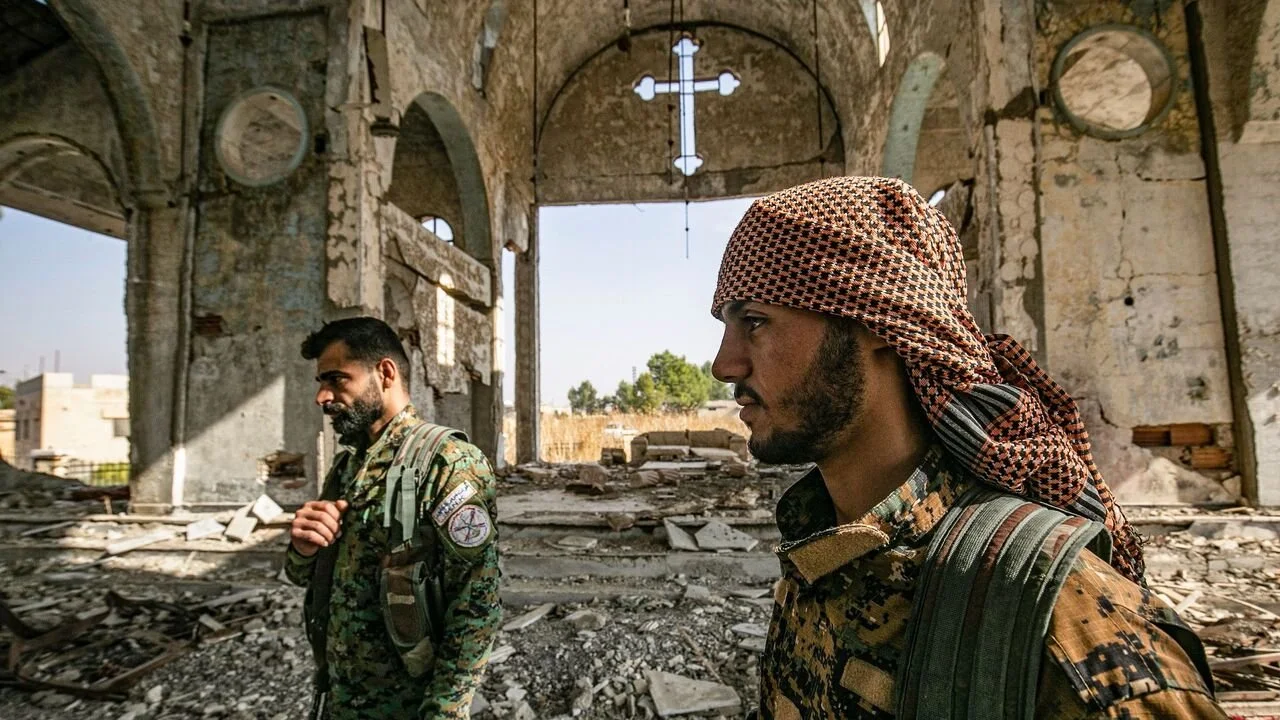
Picture of 2 Turkish men in a destroyed church
The brutal killing of three Christians in Turkey remains one of the most chilling examples of targeted religious violence in recent history—a coordinated attack that sent shockwaves through both the country and the global Christian community. The incident, taking place in the city of Malatya, unfolded with calculated precision and exposed deep tensions surrounding faith, identity, and extremism.
The victims—two Turkish converts to Christianity and a German national—were working at a Christian publishing house that distributed Bibles and other religious materials. On the day of the attack, a group of young men entered the office under the pretense of interest, but what followed was far more sinister. Investigations later revealed that the assault had been planned in advance, with multiple attackers coordinating their actions.
Inside the building, the violence was both deliberate and brutal. The three men were restrained and ultimately killed in a manner that underscored the attackers’ intent to send a message. Reports indicated that the perpetrators were motivated by a mix of religious extremism and nationalist sentiment, viewing Christian missionary work as a threat. The attack was not random—it was targeted, premeditated, and designed to intimidate a small but growing Christian minority.
The aftermath revealed even more about the coordinated nature of the crime. Several suspects were arrested, and during interrogations, some confessed that the attack had been organized with leadership and planning behind it. The trial that followed drew widespread attention, highlighting concerns about rising intolerance and the safety of religious minorities in Turkey.
For many Christians in the country, the killings became a defining moment. Turkey’s Christian population, already small, has long navigated a complex environment shaped by legal restrictions, social pressure, and occasional violence. Incidents like this reinforced a climate of fear, where practicing one’s faith—especially as a convert—can carry significant risk.
At the same time, the story is often remembered not only for its tragedy, but for the response it inspired. Vigils were held, prayers were offered, and calls for justice echoed both within Turkey and around the world. Some within the victims’ families publicly expressed forgiveness toward the attackers, a response that drew attention for its contrast to the violence that had occurred.
The attack continues to be referenced in discussions about religious freedom and extremism. It stands as a sobering reminder of how deeply held beliefs, when fused with radical ideology, can lead to devastating consequences. Yet it also highlights the resilience of those who continue to practice their faith despite such risks—holding onto hope in the face of profound loss.
