

christian persecution in sudan continues to worsen
by Timothy Sanders
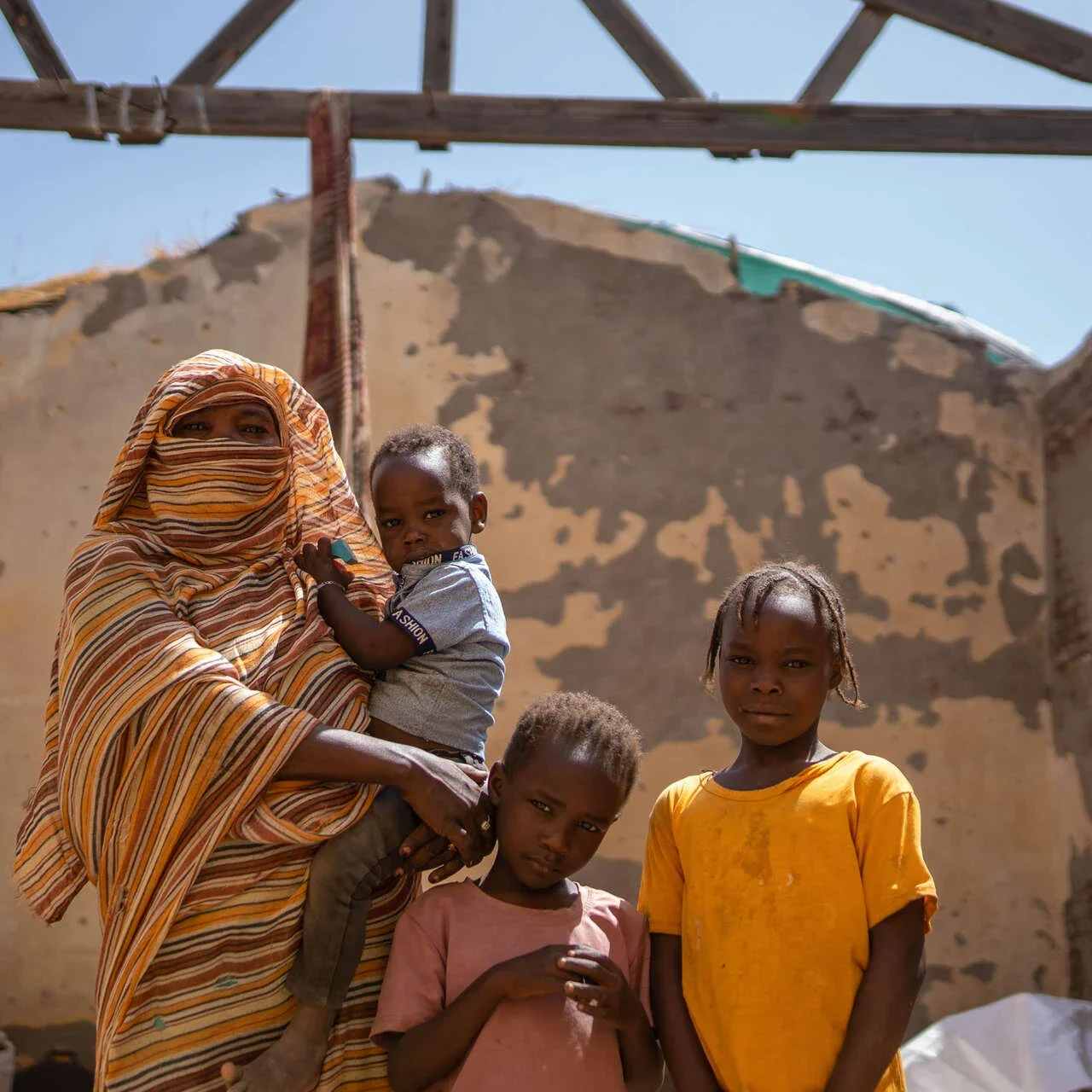
Picture of a Sudanese family
Christian communities in Sudan are facing some of the most difficult conditions in the world today, as a combination of civil war, political instability, and longstanding religious tensions continues to erode basic freedoms. While Christians make up a minority of the population, their presence in the region dates back centuries. In recent years, however, their ability to practice their faith openly has been increasingly threatened by both targeted persecution and the broader violence engulfing the country.
The current crisis is deeply tied to the ongoing civil war that began in 2023, a conflict that has devastated Sudan’s infrastructure and displaced millions. Entire communities have been uprooted, and religious minorities—particularly Christians—have found themselves especially vulnerable. Churches, which often serve as both places of worship and shelters for civilians, have been repeatedly damaged or destroyed in the fighting. Reports indicate that more than 100 churches have been affected since the war began, with some used as military bases and others directly bombed during clashes.
Beyond the destruction of property, Christians in Sudan face direct threats to their safety. In some regions, congregations have been attacked during worship, and clergy members have been singled out for violence. In areas like the Nuba Mountains, churches, schools, and hospitals connected to Christian communities have reportedly come under repeated bombardment. These attacks are compounded by a climate of fear, where believers often feel forced to practice their faith in secrecy to avoid harassment, arrest, or worse.
Legal and social pressures further intensify the challenges. Although Sudan saw a brief period of reform after the fall of former president Omar al-Bashir, many of those gains have been reversed or weakened. In some cases, individuals who convert from Islam to Christianity face severe consequences, including imprisonment, violence, or rejection by their families and communities. Laws and social norms rooted in strict interpretations of religion have historically been used to justify punishment for apostasy, leaving converts particularly at risk.
Women and children within Christian communities are often among the most vulnerable. Reports suggest that women may face forced marriages, sexual violence, or loss of legal rights, especially in conflict zones where law and order have broken down. Meanwhile, families are frequently separated by displacement, with many fleeing to refugee camps or neighboring countries in search of safety.
Despite these hardships, Sudanese Christians continue to demonstrate resilience. In some areas, believers gather quietly in homes or remote locations to pray and support one another. Churches that remain standing often double as centers for humanitarian aid, offering food, shelter, and emotional support to those affected by the war. Even amid fear and uncertainty, faith remains a source of strength for many.
The situation in Sudan highlights a broader global issue of religious persecution, but it also underscores the human cost of conflict when combined with deep-rooted intolerance. As the war continues with no clear resolution in sight, the future for Christians in Sudan remains uncertain. What is clear, however, is that their story is one of both profound suffering and enduring faith—one that continues to unfold in the shadow of one of the world’s most overlooked crises.
