

iran, revelation, and the end times
by Rowan Bingham
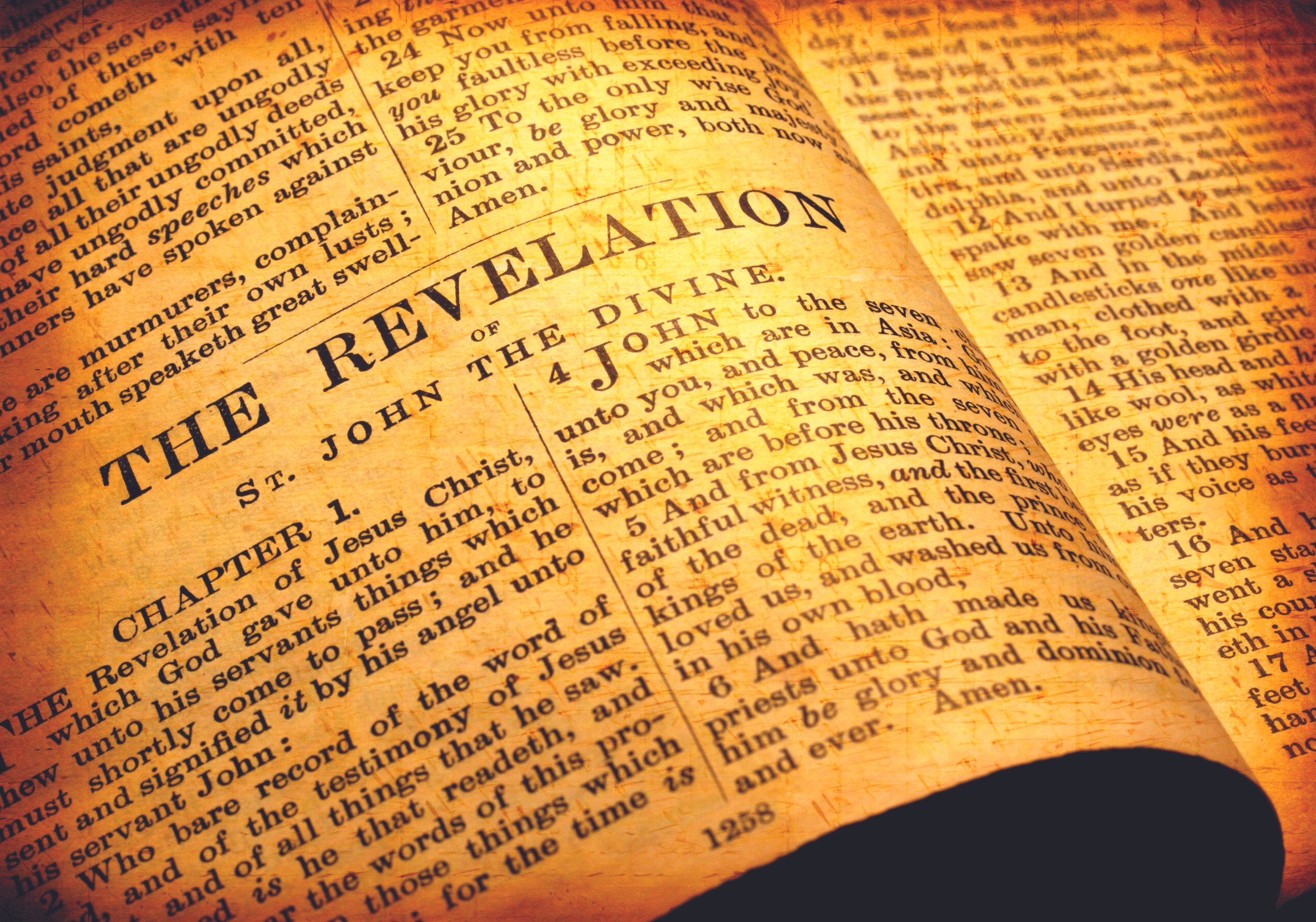
Picture of the book of Revelation
In recent years, rising tensions in the Middle East—particularly involving Iran—have prompted renewed discussion among some Christians about how current events might relate to biblical prophecy. For many, these conversations inevitably turn to the Book of Revelation, a text filled with vivid imagery, symbolism, and descriptions of the end times. While interpretations vary widely, the idea that modern nations could play a role in these ancient writings continues to capture attention.
Some prophecy-minded readers point out that Iran was known in biblical times as Persia, a nation that appears multiple times in Scripture. In passages such as those found in the books of Ezekiel and Jeremiah, Persia is mentioned in connection with future conflicts involving coalitions of nations. Because of this, some believe that Iran could play a role in events leading up to the scenarios described in Revelation, particularly those involving global unrest, war, and upheaval.
These interpretations are often tied to a broader theological framework that sees Revelation as a roadmap of future events. Within this view, modern geopolitical developments—alliances, conflicts, and shifts in power—are sometimes seen as aligning with prophetic patterns described in Scripture. As tensions involving Iran continue to make headlines, some believers interpret these developments as signs that the world may be moving closer to the kinds of events depicted in apocalyptic passages.
However, this perspective is far from universal. Many biblical scholars caution against directly linking modern nations to the symbolic language of Revelation. In fact, a significant number of scholars argue that Revelation was originally written to address the struggles of early Christians living under the Roman Empire, using symbolic imagery to communicate hope and perseverance rather than to predict specific modern events. The text’s imagery—beasts, dragons, and cosmic battles—is often understood as metaphorical rather than literal, rooted in the historical context of the first century.
This divide highlights a broader tension in how Scripture is interpreted. For some, prophecy is seen as unfolding in real time, with nations like Iran playing a meaningful role in a larger divine narrative. For others, Revelation is less about predicting future geopolitics and more about conveying timeless spiritual truths—encouraging faithfulness, warning against corruption, and affirming the ultimate victory of good over evil.
Even among those who do see a connection, there is often caution. Some theologians emphasize that while it can be tempting to match current events with biblical prophecy, history has shown that such predictions are frequently revised as circumstances change. As a result, many encourage a careful and humble approach—one that prioritizes the message of the text over speculation.
Ultimately, the question of whether Iran is connected to the Book of Revelation remains a matter of interpretation rather than consensus. What is clear, however, is that the conversation reflects a deeper human impulse: to understand the present through the lens of the past, and to search for meaning in uncertain times. Whether viewed as prophecy, poetry, or both, Revelation continues to inspire reflection—inviting readers not only to consider the future, but to examine how they live in the present.
