

father and church leader sets up group home for persecuted christians
by George Smith
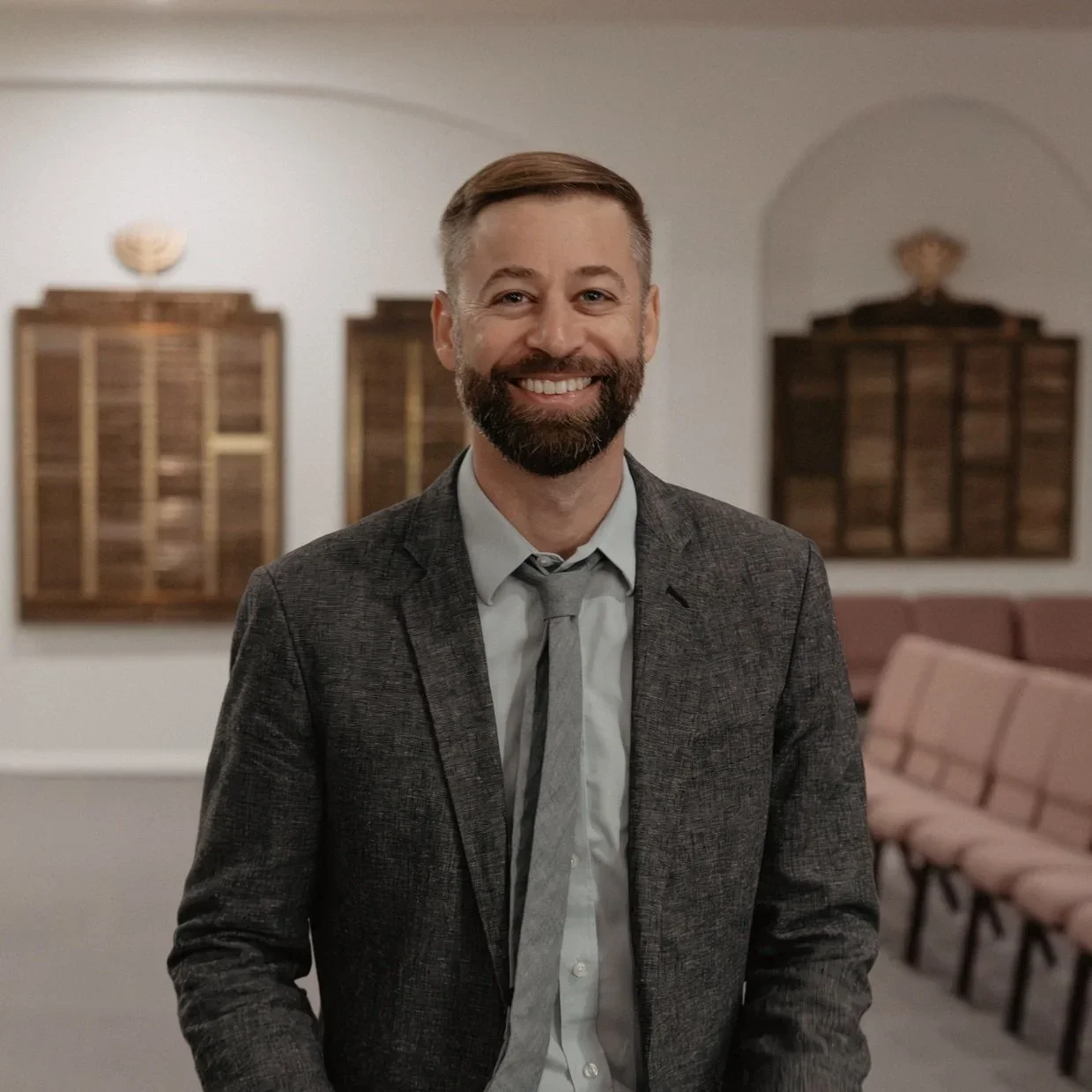
Picture of a church pastor
In a quiet neighborhood where life had long followed a predictable rhythm, one man’s, John Harrington’s, decision to act on his faith transformed not only his home, but the lives of those who entered it. What began as a simple conviction—to live out the call to love one’s neighbor—grew into a powerful act of courage: opening his doors to persecuted Christians seeking refuge, safety, and hope.
For many around the world, practicing Christianity comes with immense risk. In regions where faith is suppressed or openly targeted, believers often face threats, imprisonment, and violence. Stories of families forced to flee in the night or individuals punished for gathering in prayer are far too common. It was these realities that stirred something deep within him—a sense that compassion should not stop at awareness, but move into action.
At first, the idea felt overwhelming. Offering shelter to strangers—especially those fleeing dangerous situations—carried both logistical and personal challenges. There were questions of safety, resources, and sustainability. But for him, the answer kept returning to a simple truth: faith is meant to be lived boldly. And so, with careful planning and a heart grounded in conviction, he began to open his home.
The first guests arrived with little more than the clothes on their backs and stories etched with hardship. Some had traveled across borders, others had been separated from loved ones. They brought with them a mix of fear, exhaustion, and quiet resilience. Within the walls of his home, however, something began to shift. Meals were shared. Conversations unfolded. Laughter—hesitant at first—returned.
What emerged was more than temporary shelter; it became a place of restoration. Beyond meeting physical needs, he sought to create an environment of dignity and belonging. Each person was treated not as a burden, but as family. In the midst of uncertainty, John’s home became a steady reminder that they were not forgotten.
Word of his efforts slowly spread, and with it came both support and scrutiny. Some questioned the risks he was taking, while others were inspired to help—donating supplies, offering legal assistance, or simply standing in solidarity. What started as one person’s response began to ripple outward, forming a small but growing network of care.
Despite the challenges, Harrington remains unwavering in his mission. For him, this is not about recognition or heroism, but about obedience to a deeper calling. “If we truly believe in loving one another,” he often says, “then we have to be willing to make room for each other—even when it’s uncomfortable.”
In a world where stories of division often dominate the headlines, John’s quiet act of hospitality offers a different narrative—one rooted in courage, sacrifice, and unwavering faith. His home stands as a testament to what can happen when belief moves beyond words and into action: lives are changed, hope is restored, and the light of compassion shines just a little brighter.
