

mosque leader and islam extremist finds faith in jesus
by Al Smythe
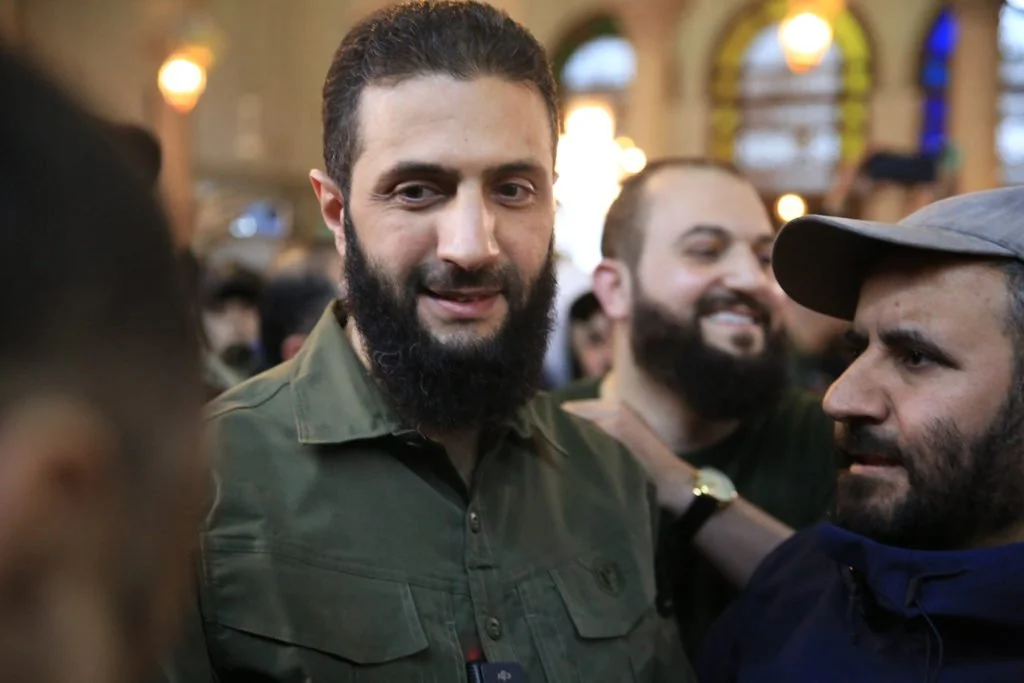
Picture of a Muslim man
The story of transformation is often told in quiet moments, but sometimes it begins in places defined by intensity and conviction. For Muhammad Hassan, a former mosque leader, his journey toward faith in Jesus did not start with doubt, but with deep devotion. Known in his community for his strict adherence to Islam and his passionate leadership, Hassan was once a voice of authority—respected, disciplined, and unwavering in his beliefs.
From a young age, his life was shaped by religious commitment. He studied Islamic teachings rigorously, eventually rising to a position of influence within his local mosque. His sermons were marked by certainty and zeal, and he became known for his uncompromising stance on matters of faith. Those who knew him saw a man fully devoted to what he believed was truth, committed to guiding others along the same path.
Yet beneath that certainty, questions began to surface—slowly at first, then with growing persistence. Encounters with Christians challenged his assumptions, not through argument, but through unexpected humility and grace. Hassan found himself unsettled, not by confrontation, but by the quiet consistency of their lives. Over time, curiosity led him to begin reading the Bible, initially with the intent to refute it.
What he encountered instead was something he hadn’t anticipated. The person of Jesus—His teachings, His compassion, and His message of forgiveness—began to resonate in ways he could not easily dismiss. Passages that spoke of love for enemies and sacrificial grace lingered with him long after he closed the pages. The more he read, the more he found himself wrestling internally, caught between the identity he had built and the truth he felt he was discovering.
The turning point, as he later described it, came not in a public moment, but in private surrender. Alone, weighed down by the tension between belief and conviction, he made the decision to follow Jesus. It was not a choice made lightly. He understood the cost—loss of position, strained relationships, and potential danger. But for him, the call to truth outweighed everything else.
The aftermath was as difficult as he had expected. Stepping away from his role meant leaving behind a community that had once defined him. Some relationships fractured, while others turned hostile. Yet in the midst of loss, Hassan found a new sense of purpose. Supported by a small network of believers, he began to rebuild his life, now grounded in a faith he once opposed.
Today, his story serves as a powerful reminder of the complexity of belief and the courage it takes to change. He does not speak with bitterness about his past, but with a sense of clarity and grace. “I was sincere,” he has said. “But sincerity alone is not the same as truth. When I encountered Jesus, everything changed.”
Hassan’s journey is not just one of conversion, but of transformation—a testament to the idea that even the most firmly held convictions can be reshaped by encounter, reflection, and the search for truth. In a world often divided by faith, his story offers a different perspective: one where change is possible, and where faith, in its deepest sense, becomes a path not of division, but of discovery.
